
Back to Blogs
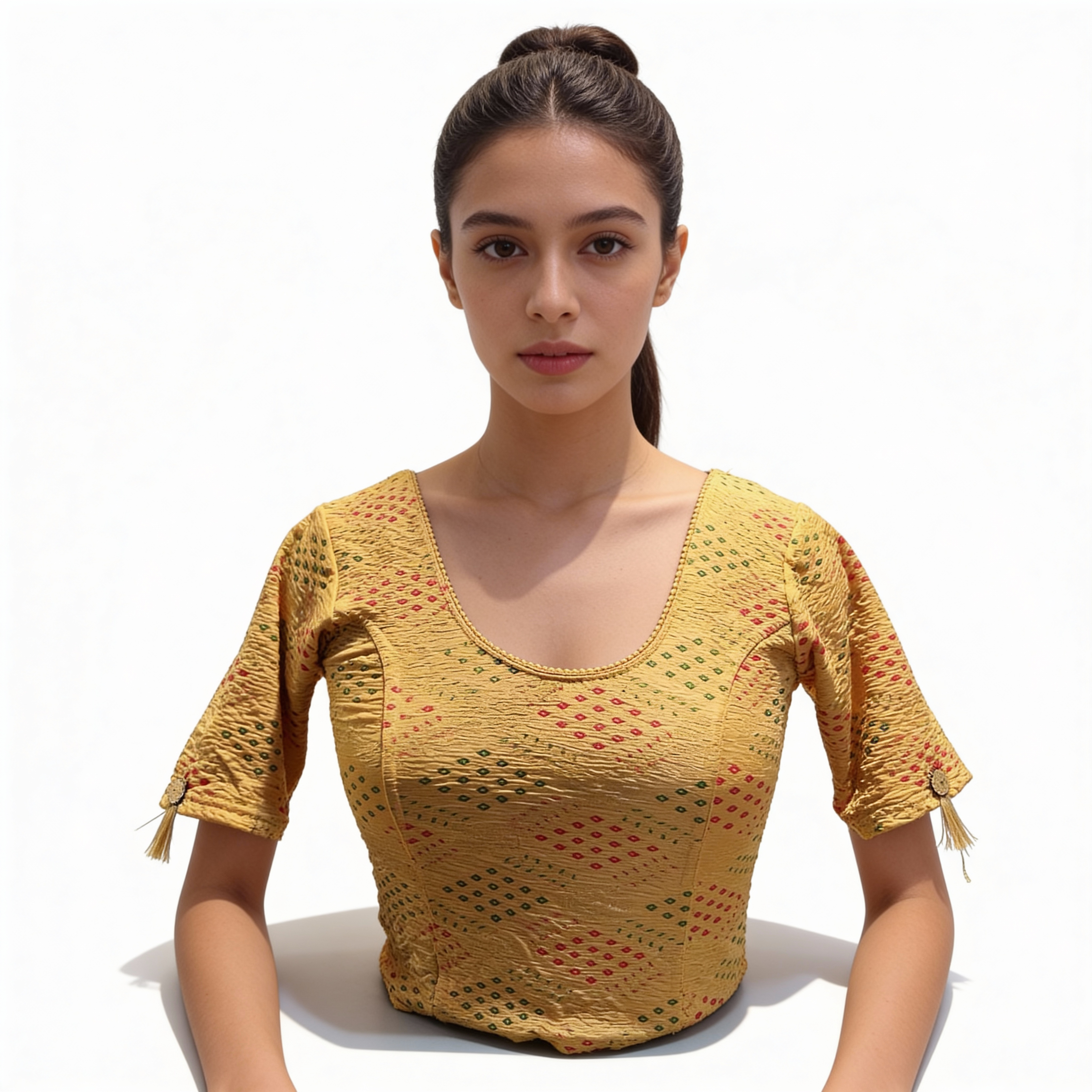
AI Model Photography: The Game-Changing Solution for Fashion Brands Without Physical Photoshoots
AI Model Photography: The Game-Changing Solution for Fashion Brands Without Physical Photoshoots
The fashion industry operates on visual currency. Every click, every sale, every brand impression begins with a single image. Yet behind those polished product photographs that fill e-commerce websites lies an uncomfortable truth: most fashion brands cannot afford the photoshoots their products deserve.
Traditional model photography has remained stubbornly expensive and complex for decades. While technology revolutionized inventory management, payment processing, and customer service, fashion photography stayed locked in the old world of studios, agencies, and five-figure budgets.
Until now. Artificial intelligence has fundamentally altered what is possible in fashion e-commerce photography. Brands no longer choose between amateur product shots and professional model imagery. The technology now exists to convert simple garment photographs into sophisticated, model-worn fashion photography that rivals luxury brand campaigns.
Why Fashion E-Commerce Lives or Dies by Visual Quality
The Three-Second Decision Window
Online shoppers make snap judgments. Research consistently demonstrates that product images influence purchase decisions within three seconds of page load. In that brief window, visual quality communicates everything: brand positioning, product value, purchase confidence, and aspirational appeal.
Mediocre imagery triggers immediate distrust. When product photos appear amateur, inconsistent, or poorly lit, customers question product quality regardless of actual craftsmanship. The visual becomes the product in digital commerce.
The Model Photography Premium
On-model photography outperforms product-only images across every meaningful metric. Conversion rates increase. Time on page extends. Cart abandonment decreases. Return rates drop when customers clearly understand fit and styling.
The explanation is straightforward: models provide context. Customers visualize themselves wearing the garment. They understand proportions, styling possibilities, and how fabric drapes on human forms. This visualization directly correlates with purchase confidence.
The Competitive Visual Arms Race
As major fashion retailers invested heavily in content production, they raised baseline expectations. Customers browsing premium brands become conditioned to expect professional photography. When they encounter inferior imagery elsewhere, the contrast creates negative brand perception.
Smaller brands face an impossible standard. Compete visually with corporations spending millions annually on content, or accept that imagery positions them as budget alternatives regardless of actual product quality.
The Impossible Economics of Traditional Model Photoshoots
Breaking Down Real Production Costs
Professional fashion photography expenses extend far beyond hourly photographer rates. A typical single-day shoot includes model agency fees, photographer charges, studio rental, lighting equipment, makeup artists, hair stylists, wardrobe assistants, and digital retouchers.
Conservative estimates place single-day production costs between $3,000 and $8,000. This budget covers approximately 15 to 25 finished images. Brands launching seasonal collections with 80 or 100 SKUs face $20,000 to $40,000 in photography costs alone.
For emerging brands operating on tight margins, these numbers are prohibitive. Many never invest in model photography, permanently handicapping their conversion potential.
The Hidden Time Tax
Financial costs represent only half the burden. Coordinating traditional photoshoots consumes weeks of operational bandwidth. Creative directors source models, negotiate contracts, secure locations, and manage production logistics.
Post-production adds additional delays. Professional retouching for commercial fashion photography requires days or weeks depending on image volume. By completion, the initial creative vision may no longer align with current market trends.
Geographic and Logistical Barriers
Traditional photography requires physical presence. Brands without access to major markets struggle to find professional photographers, experienced models, and suitable studio facilities. International brands face even greater complexity coordinating shoots across regions while maintaining visual consistency.
These geographic limitations force compromises. Brands either accept inconsistent quality across markets or concentrate production in single locations, increasing costs and reducing regional relevance.
How AI Generates Authentic Model Photography from Simple Product Images
The Input: Just Product Photographs
The transformation begins with basic garment photography. No specialized equipment required. No professional lighting setup. No studio environment. Brands simply photograph products on hangers, flat surfaces, or basic mannequins using standard cameras or even smartphones.
These source images capture essential product information: color, pattern, texture, construction details, and overall design. They document what exists but lack the human context that drives purchase decisions.
The AI Processing: Understanding Fashion and Form
Advanced artificial intelligence analyzes product photographs through multiple dimensions. The technology identifies garment type, understands construction, recognizes fabric properties, and determines appropriate styling contexts.
Simultaneously, the AI generates photorealistic human models positioned in professional studio environments. These digital models feature realistic skin tones, natural body proportions, authentic facial features, and appropriate poses for the specific garment category.
The Output: Professional Fashion Photography
The final result presents the original product worn by a realistic model in a premium studio setting. Garments drape naturally across the body. Fabrics fold and flow according to actual textile physics. Lighting highlights texture and detail while maintaining soft, professional aesthetics.
Most critically, the images appear authentic. No telltale signs of digital manipulation. No uncanny valley effects. The photography looks indistinguishable from traditional studio shoots costing thousands of dollars.
Technical Excellence That Defines Premium Fashion Imagery
Resolution and Detail Preservation
Professional e-commerce photography demands high resolution. Customers zoom, inspect, and scrutinize product details before purchasing. Low-resolution imagery immediately signals amateur production quality.
AI-generated fashion photography maintains exceptional resolution standards. Fabric weaves remain visible. Stitching details stay crisp. Color accuracy persists across zoom levels. The technical quality matches or exceeds traditional photography specifications.
Natural Lighting That Flatters Products
Studio lighting represents years of specialized expertise. Professional photographers understand how different light angles, intensities, and diffusion levels impact fabric appearance. Proper lighting reveals texture, maintains color fidelity, and creates dimensional depth.
AI technology replicates expert lighting automatically. Every generated image features soft, even illumination that eliminates harsh shadows while providing visual interest. The lighting adapts to product characteristics, ensuring optimal presentation for different fabrics and colors.
Pose Selection and Styling Authenticity
Model poses communicate brand identity. Luxury brands favor elegant, controlled poses. Contemporary fashion embraces dynamic, movement-oriented positioning. Athletic wear demonstrates functionality through action poses.
AI-powered model generation understands these contextual requirements. Poses match product categories and brand positioning automatically. The resulting images feel purposeful and professionally directed rather than randomly generated.
Transformative Applications Across Fashion Business Operations
Complete Catalog Photography in Hours
Seasonal launches demand comprehensive visual coverage. Every SKU requires multiple angles, styling variations, and contextual shots. Traditional photography spreads this work across weeks or months.
AI technology compresses entire catalog photography into single days. Upload product images, generate model photography, and publish complete visual assets while products remain trend-relevant. This speed fundamentally changes how fashion brands operate.
A/B Testing Visual Approaches
Optimizing conversion requires experimentation. Which model demographics resonate with target audiences? Do neutral backgrounds outperform gradient aesthetics? Should poses emphasize elegance or accessibility?
Traditional photography makes testing prohibitively expensive. AI generation enables unlimited experimentation. Create dozens of variations, test performance, and refine approaches based on data rather than assumptions.
Regional Market Customization
Global fashion brands serve diverse markets with distinct preferences. Asian markets may prefer different model characteristics than European audiences. Middle Eastern customers might require modest styling variations.
AI photography enables market-specific customization without multiple physical photoshoots. Generate regionally appropriate model imagery from single product photographs, ensuring cultural relevance while maintaining brand consistency.
Dynamic Seasonal and Promotional Content
Fashion calendars demand constant content refresh. Holiday campaigns, seasonal transitions, and promotional events all require updated imagery. Traditional photography cannot keep pace with this content velocity.
AI generation supports continuous content creation. Refresh homepage heroes weekly. Create campaign-specific imagery for every promotion. Test new visual directions without production delays or budget constraints.
Quantifiable Business Impact of AI Fashion Photography
ROI That Transforms Brand Economics
Photography represents one of fashion e-commerce's largest variable costs. Reducing per-image expenses by 90% while maintaining professional quality creates immediate margin improvement.
Beyond direct cost savings, faster time-to-market captures revenue otherwise lost to delayed launches. Complete visual coverage of catalogs increases average order values as customers discover more products. The cumulative financial impact often exceeds ten times the initial cost reduction.
Conversion Optimization Through Superior Imagery
Professional on-model photography consistently outperforms alternative approaches. Conversion rate improvements of 25% to 45% are common when brands upgrade from product-only to model photography.
These improvements compound across traffic volume. A 30% conversion increase on 10,000 monthly visitors translates to hundreds of additional transactions. Over annual cycles, the revenue impact reaches six or seven figures for established brands.
Reduced Return Rates from Accurate Representation
Returns damage profitability and customer satisfaction. Many returns stem from expectation mismatches: products look different than images suggested, fit differs from visual implications, or styling doesn't translate to real-world wear.
Comprehensive, accurate on-model photography reduces these mismatches. Customers understand exactly what they're purchasing. Return rates drop by 15% to 25%, directly improving unit economics while enhancing customer experience.
Competitive Positioning and Brand Perception
Visual quality shapes brand perception independent of actual product quality. Professional photography positions brands as premium, trustworthy, and established regardless of company size or age.
This perception drives customer acquisition cost efficiency. Higher perceived brand value increases organic traffic, improves paid advertising performance, and enhances social media engagement. The compounding effects of improved brand positioning often exceed direct conversion improvements.
The Evolution of Fashion Content Creation
From Constraint to Creative Freedom
Traditional photography limitations shaped fashion business models. Brands designed collections around photography budgets. Limited shoots meant limited SKUs. Conservative styling avoided expensive reshoots.
AI photography removes these constraints. Creative teams design without production limitations. Test bold ideas. Launch experimental products. Iterate rapidly based on market response. Constraint removal enables innovation previously impossible for resource-limited brands.
Democratization of Professional Quality
Luxury brands maintained competitive advantages through superior content production. Massive budgets enabled photography quality unattainable for smaller competitors. This quality gap reinforced market position and justified premium pricing.
AI technology democratizes professional imagery. Emerging brands access the same visual quality as established corporations. Competition shifts from budget to creativity, product quality, and brand authenticity. The playing field levels considerably.
Integration with Broader Creative Workflows
AI photography exists within expanding creative technology ecosystems. Generated images integrate with graphic design tools, video production pipelines, and augmented reality applications.
Future workflows combine AI photography with automated copywriting, dynamic pricing optimization, and personalized customer experiences. Photography becomes one component of comprehensive, AI-enhanced marketing operations.
Sustainability Through Digital Production
Fashion faces increasing pressure to reduce environmental impact. Traditional photoshoots generate significant carbon footprints through travel, energy consumption, and sample production.
Digital photography generation eliminates most physical production requirements. No travel. No studio energy consumption. No sample shipping. Reduced waste. As sustainability becomes a purchase factor, production methods increasingly matter to consumers.
Embracing the Future of Fashion E-Commerce Imagery
The transformation of plain product photographs into professional model imagery represents more than incremental improvement. It fundamentally restructures fashion e-commerce economics, enabling business models previously impossible.
Brands no longer choose between visual excellence and financial viability. Professional photography becomes accessible to businesses of all sizes, from solo entrepreneurs to established retailers. This accessibility shifts competitive dynamics toward product quality, brand storytelling, and customer experience.
The technology continues advancing rapidly. Today's impressive results will appear basic compared to capabilities emerging over the next few years. Early adopters gain experience, refine workflows, and establish competitive positions before AI photography becomes industry standard.
Fashion e-commerce success increasingly depends on operational efficiency combined with premium customer experience. AI-powered model photography delivers both: dramatically reduced costs and timelines alongside visual quality that drives conversion and builds brand authority.
The opportunity is clear. The technology is proven. The question each fashion brand faces is simple: lead the transformation or follow competitors who recognized the future first.Claude is AI and can make mistakes. Please double-check responses. Sonnet 4.5Claude is AI